Wadih El-Hage
Justice & Reform

Free
Wadih El-Hage
From Wrongful
Imprisonment

For nearly three decades, Wadih has been held under harsh conditions—convicted using secret evidence that jurors were never permitted to see. This unconstitutional practice must end.

570
Petition Signatures
~30
Years Imprisoned
0
Fair Jury Trials
Wadih El-Hage

A Man Unjustly Caged by a Broken System

Wadih El-Hage is not just a name among countless cases; his life has been a personal and passionate cause because of the grave injustices he has suffered. For nearly three decades, Wadih has languished in prison under harsh conditions—including solitary confinement and torture—yet he maintains his innocence.

"His case set a precedent that, if corrected, could free others trapped in similar situations. Convicted under the veil of secrecy, his trial relied heavily on secret evidence—an unconstitutional practice that undermines the very foundation of justice."

— The Muslim Cowboy

Wadih's wrongful imprisonment is a vivid illustration of how secret evidence can unjustly bind an individual, leading to decades of suffering without recourse. His case reflects systemic flaws within our justice system—a system that should protect the innocent rather than imprison them based on hidden agendas or evidence never subjected to public scrutiny.

Overturning his conviction would reaffirm our commitment to justice, liberty, and fairness—and set a precedent that protects every American from the same fate.

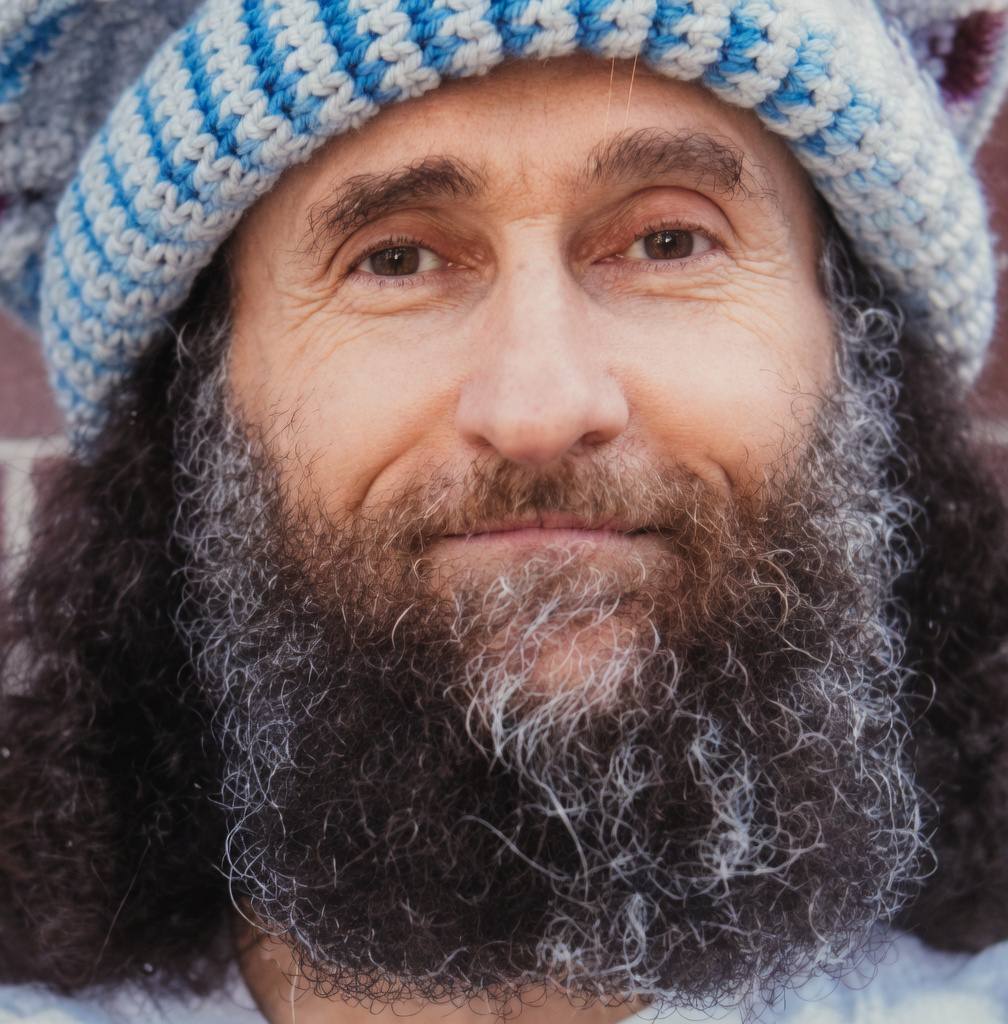
Wadih El-Hage — a younger portrait
A life before bars A young father, full of hope. This is the man the system took — not a threat, but a human being with a family, a future, and a faith.

Stand with Wadih →
The Danger of Secret Evidence

The use of secret evidence in cases like Wadih's is alarming—it strips away the fundamental right to a fair trial. In a democratic society, justice must be transparent. Defendants must be allowed to confront their accusers with full knowledge of the evidence against them.

When the judicial system admits secret testimonies and withholds evidence from defendants and jurors alike, it steps away from transparency and toward tyranny. In the seminal case of Kent v. United States, the Supreme Court asserted the critical importance of protecting individual rights in criminal procedures—a principle trampled by the admission of secret evidence in Wadih's trial and others like it.

⚖  Kent v. United States — Individual Rights in Criminal Procedure
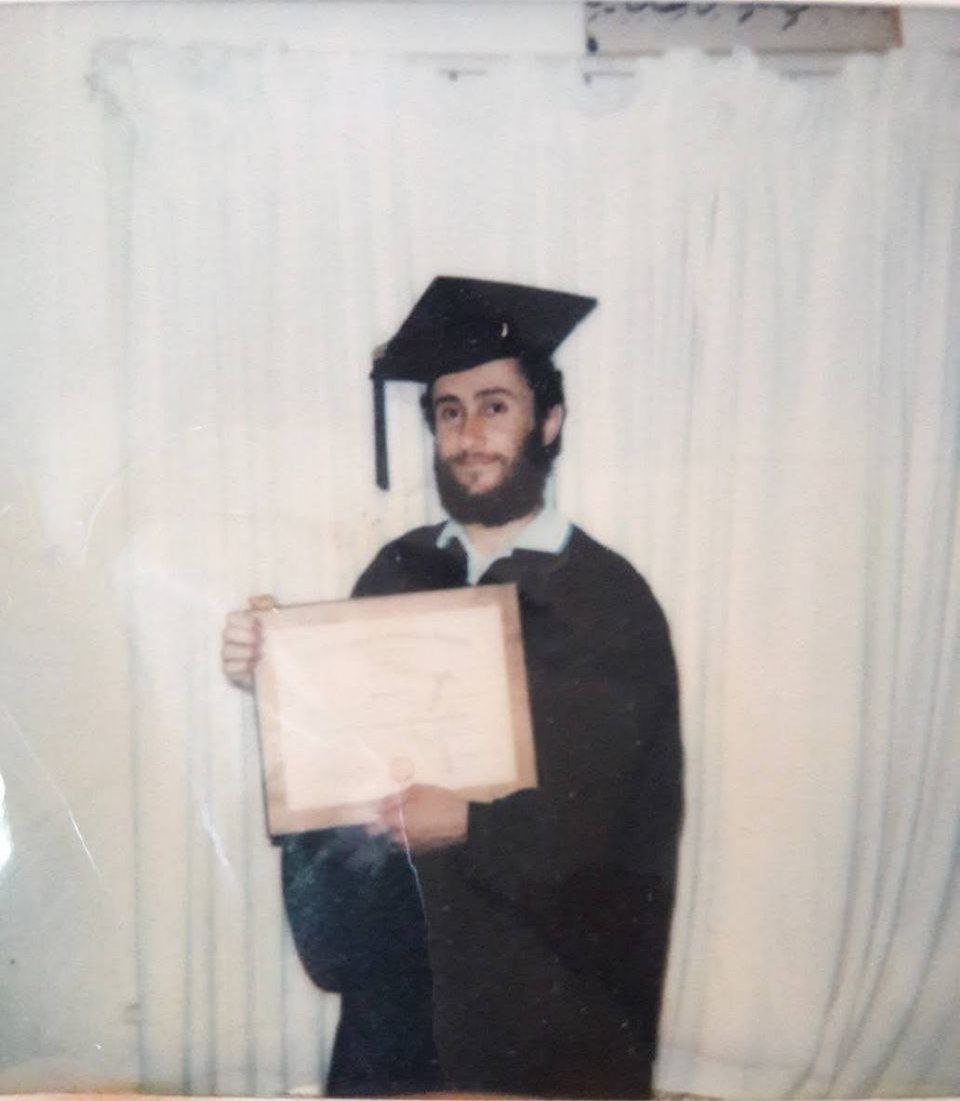
Wadih El-Hage as a young man — a life interrupted by secret evidence
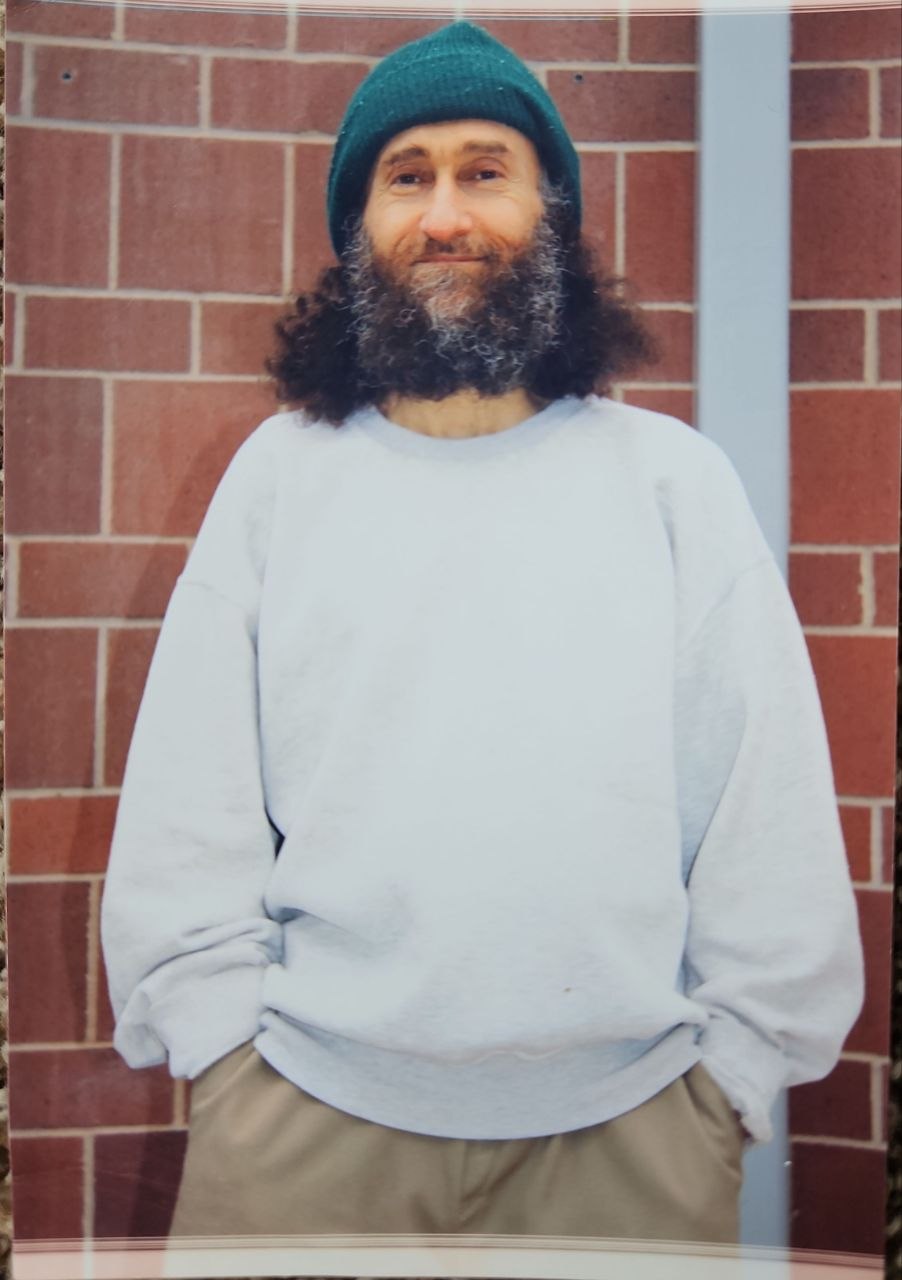
Restricted Correspondence

After good behaviour for years, he was allowed to send us 1 picture.

"When the judicial system allows for secret testimonies and evidence, it steps away from transparency and towards tyranny. This man — a father, a human being — was taken from his family on the basis of evidence no one was allowed to see."

— The Muslim Cowboy
01 — Constitutional Rights

Denied Confrontation Rights

The Sixth Amendment guarantees defendants the right to confront their accusers and examine the evidence against them. Secret evidence violates this bedrock constitutional protection, making any conviction built on it fundamentally invalid.

02 — Judicial Process

Blind Jury Verdicts

Jurors in cases using secret evidence are forced to render life-altering verdicts on facts they are never allowed to see, hear, or evaluate. This is not justice—it is the theater of justice with a predetermined conclusion.

03 — Legal Precedent

Unconstitutional Precedent

Allowing secret evidence sets a dangerous legal precedent. Every case that relies on hidden information chips away at the constitutional guarantees that define American justice for every citizen—not just defendants.

04 — Path Forward

The Road to Reform

Overturning convictions built on secret evidence isn't radical—it's restorative. It means demanding that courts return to constitutional standards and that no person loses their liberty without a fair, open, and transparent hearing.

SAMs: Solitary by Another Name

Special Administrative Measures — known as SAMs — are the most extreme and secretive conditions of confinement in the United States federal prison system. Imposed by the Attorney General without trial, without jury, and often without meaningful notice, SAMs can strip a person of nearly every right that makes incarceration survivable: contact with family, communication with the outside world, and access to information.

Wadih El-Hage has lived under these measures. They are not just punitive — they are a continuation of the same pattern of secret, unchallengeable decisions that wrongfully put him behind bars in the first place.

Wadih El-Hage as a young man at graduation — free, hopeful
Before imprisonmentA Young Man's Promise
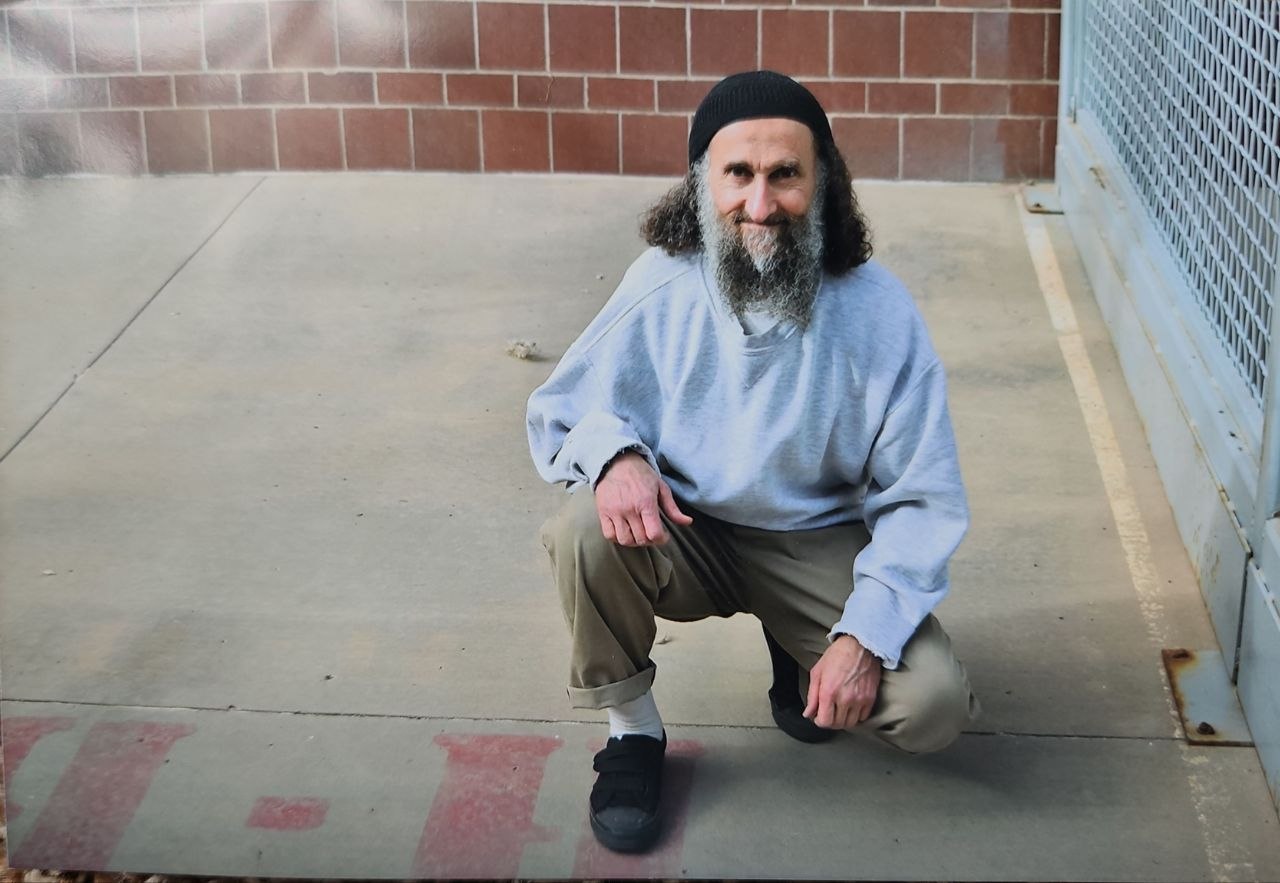
Wadih El-Hage in federal prison — 30 years later
30 years laterInside Federal Prison
The same man — separated by secret evidence and three decades of silence
What They Are

Absolute Isolation

SAMs are administrative restrictions — not punishments handed down by a judge. They are imposed secretly by the Justice Department and can ban nearly all communication: no phone calls, no visits, mail censored or blocked entirely, and no access to news or the outside world.

No Due Process

Unchallengeable & Renewable

There is no meaningful hearing before SAMs are imposed. No jury. No open proceeding. They can be renewed year after year — indefinitely — based on secret assessments that neither the prisoner nor their attorney can fully challenge or refute.

Legal Access

Attorney Privilege Eroded

Under SAMs, attorney-client communications can be monitored by the government. This chills the fundamental right to legal counsel. A prisoner cannot speak freely to the very person tasked with defending them — a grotesque inversion of constitutional protection.

Human Cost

Psychological Torture

Decades of research confirm that prolonged isolation causes severe and lasting psychological harm — including anxiety, hallucinations, depression, and cognitive decline. SAMs impose this suffering administratively, outside of any sentencing framework, on human beings who may be innocent.

Families & Children

Destruction of Family Bonds

Children grow up without a parent's voice. Spouses spend decades waiting for a letter that may never arrive. Parents die without a final goodbye. SAMs do not punish the prisoner alone — they punish every person who loves them, compounding injustice across generations.

Communities

Silencing Communities

When someone is placed under SAMs, their community loses its connection to them. Religious communities, advocacy networks, and support systems are severed. The chilling effect extends outward — discouraging others from speaking out, organizing, or even visiting those imprisoned.

Wadih Has Lived This

For years, Wadih El-Hage has been subjected to SAMs. He was convicted on secret evidence, sentenced to life, and then buried further beneath administrative measures that even his family cannot fully see or challenge. The system did not just imprison him — it systematically erased him. One photograph was allowed through after years of good behaviour. One picture. That is the reality of SAMs. That is what we are fighting against.

0

Verified Signatures & Growing

155 people signed this week — working toward 50,000 signatures

Wadih El-Hage standing in federal prison — today

Your Voice Demands Justice

This is Wadih El-Hage today — standing in a federal prison yard, still smiling, still holding on. He has maintained his innocence for nearly thirty years. He should not still be there.

By signing this petition, you join a movement to restore justice—not only for Wadih, but for all individuals whose lives have been destroyed by the travesty of secret trials. Demand transparency. Demand accountability. Demand his release.

✎  Sign the Petition on Change.org